Carl Hubay Updated -
Our mission is to improve the design process for architects and engineers. By improving the comfort of work, using a fast and intuitive interaction with the software.
GET NOW
Our mission is to improve the design process for architects and engineers. By improving the comfort of work, using a fast and intuitive interaction with the software.
GET NOW
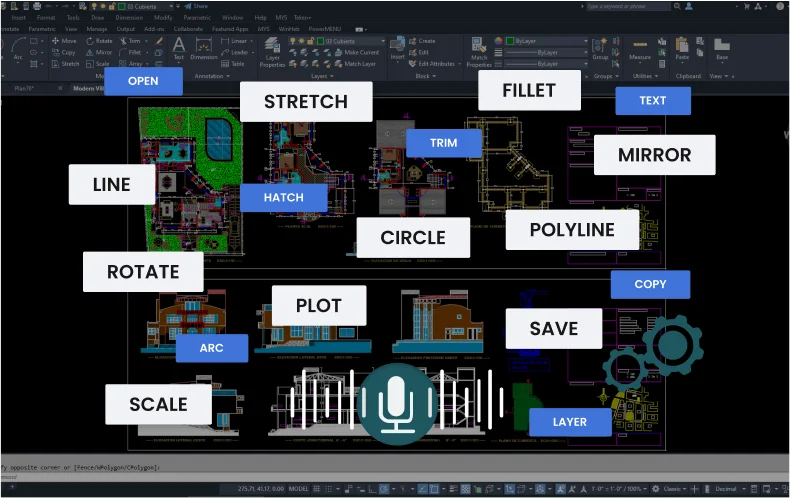
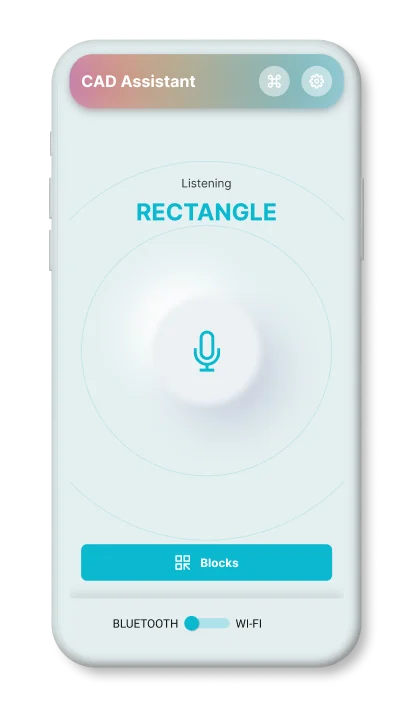
a mobile application that can execute the user's voice commands in AutoCAD




Works via Wi-Fi

runs in the background

Works via Bluetooth

Supports operation
via a headset (audio)

 500+
500+
Basic commands
that are used most often.
 120+
120+
Express
tool commands.
 100+
100+
Commands
for 3d modeling.
 800+
800+
Rarely used
AutoCAD commands
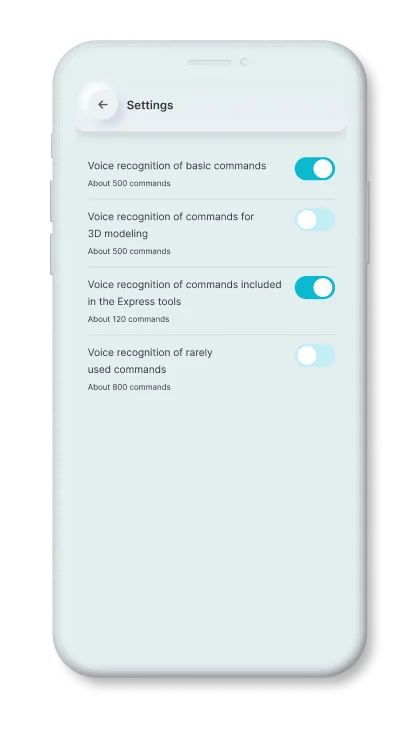

The first tool to manually improve the commands, for this he needs to record the command in his voice.
In this way, the engine will know and take into account the individual peculiarities of the pronunciation of the given command.
1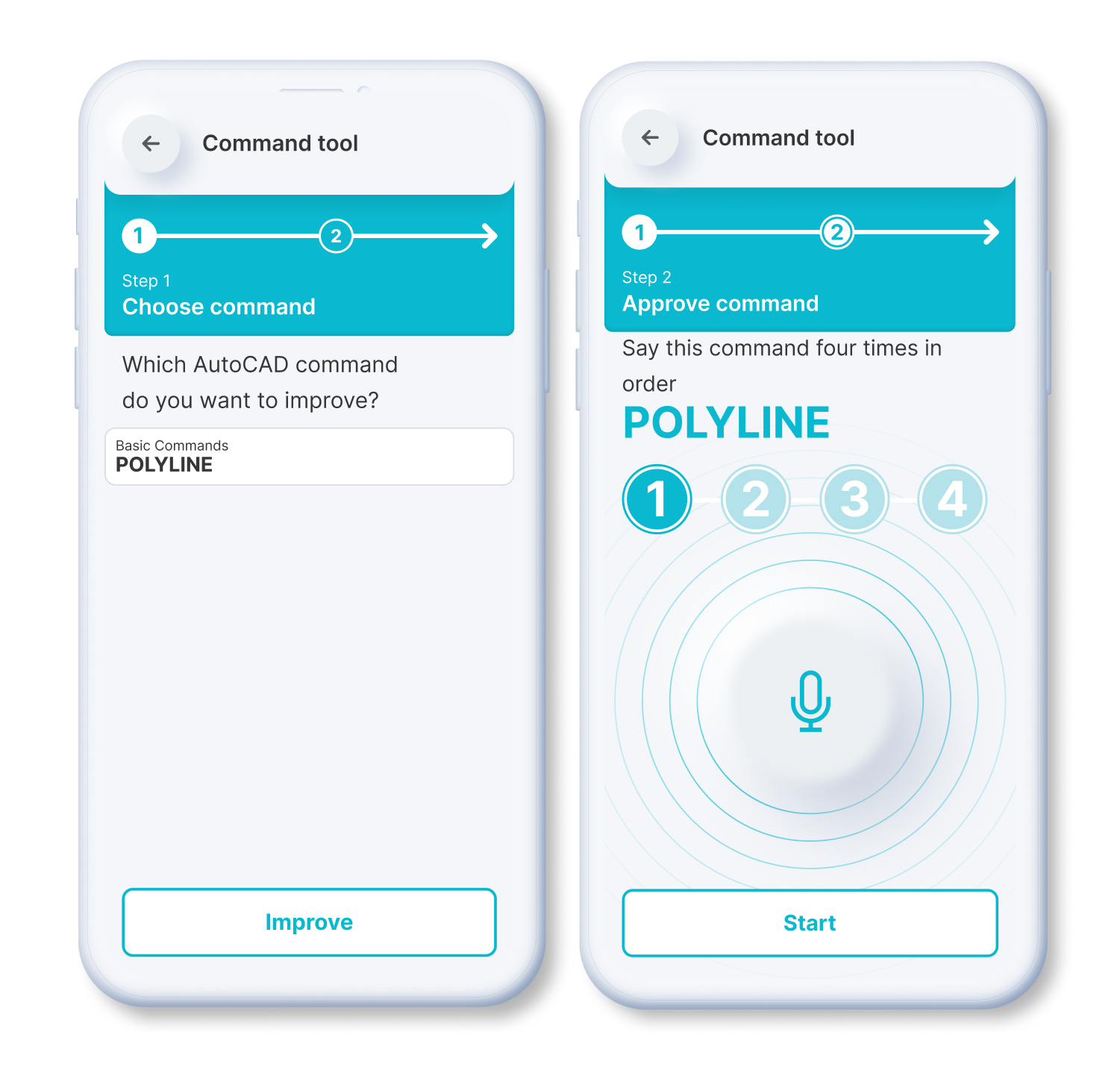
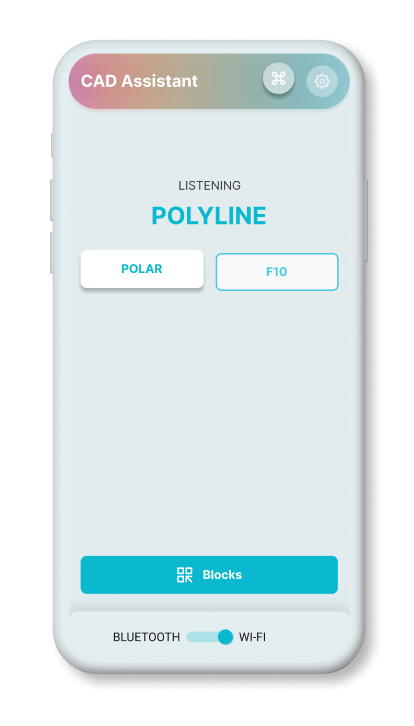
If the recognition engine algorithm is not confident in determining the correct command, it will offer to choose from the appropriate options.
The application then saves the user's choice, and will take that result into account at a later time. In this way, the engine is fine-tuned to the individual peculiarities of pronunciation.
2 1290+
1290+
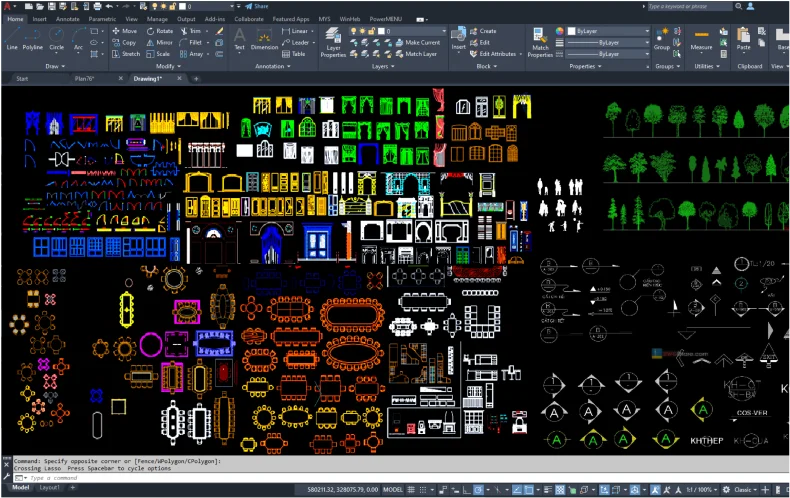
Static Blocks
 210+
210+
Dynamic Blocks
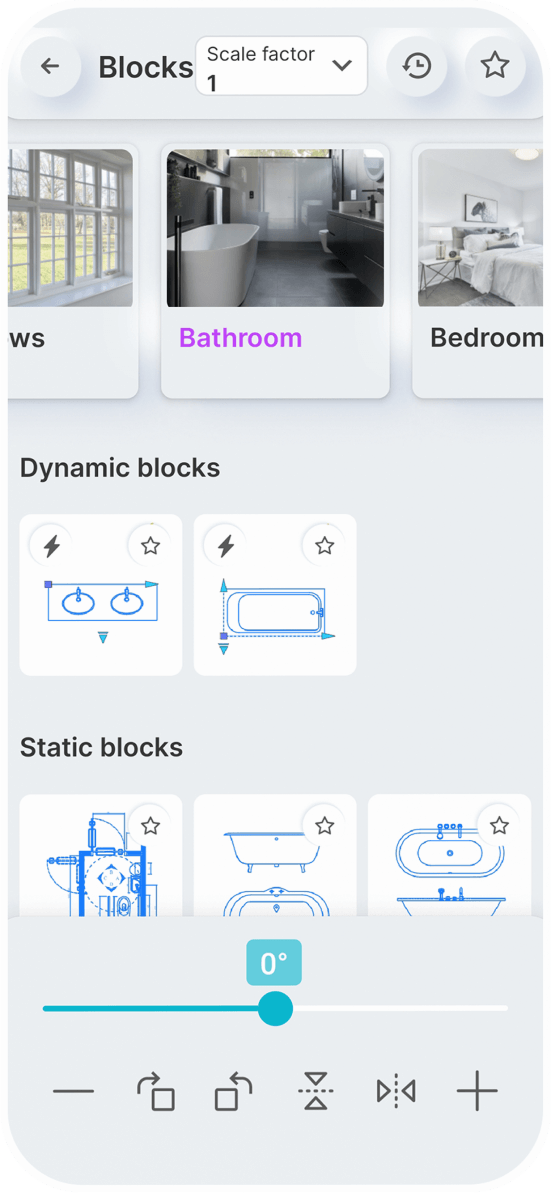
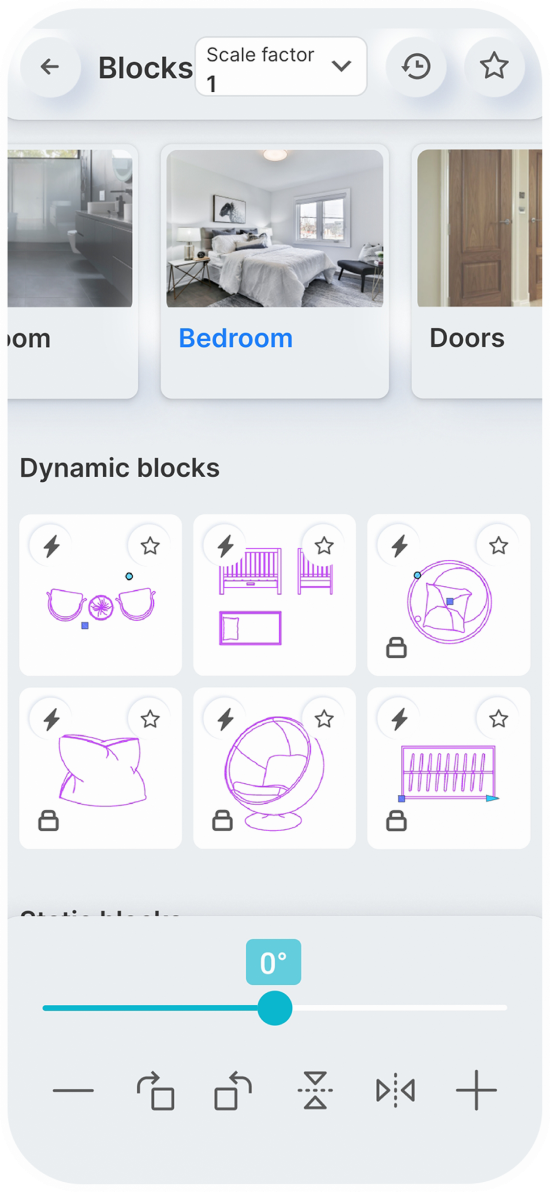
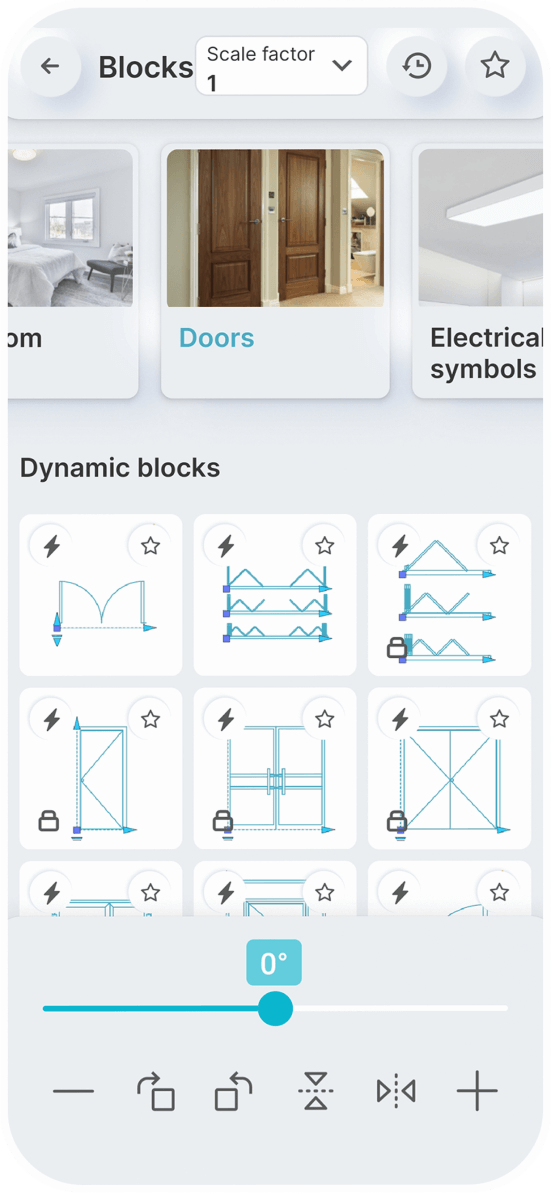
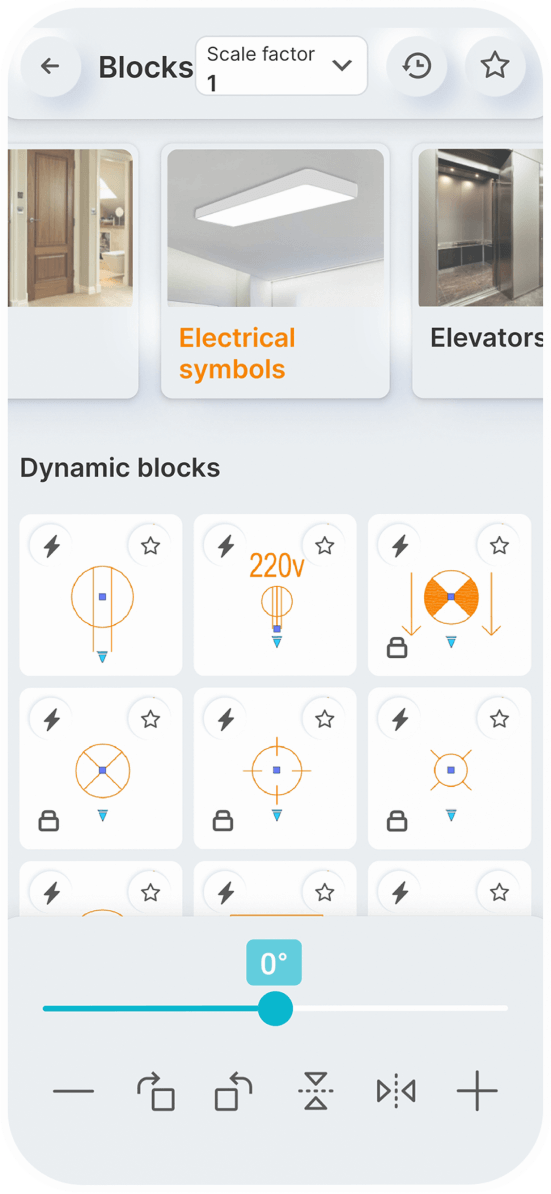
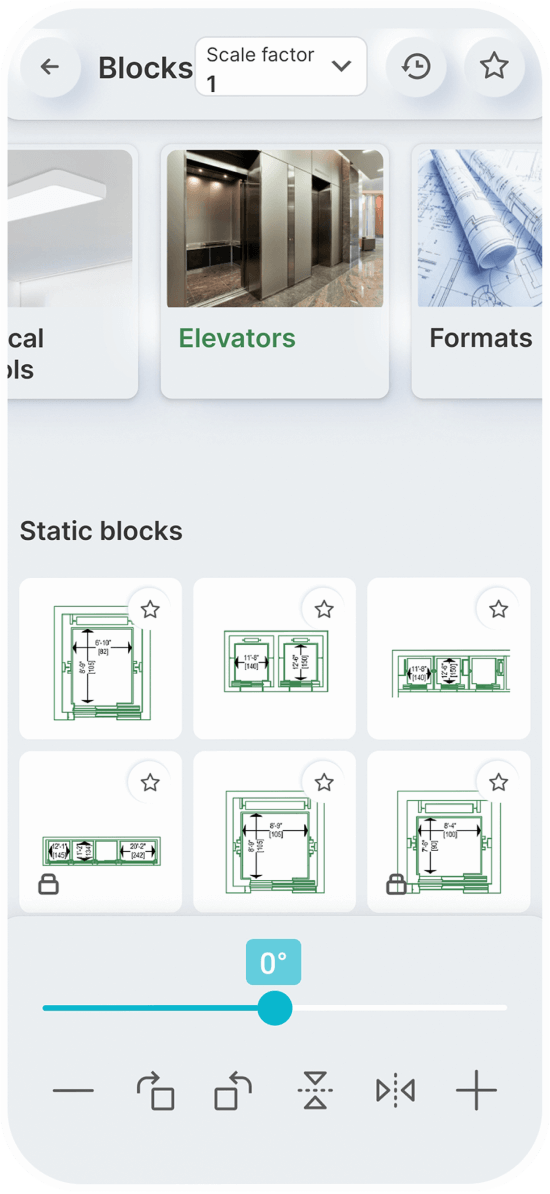
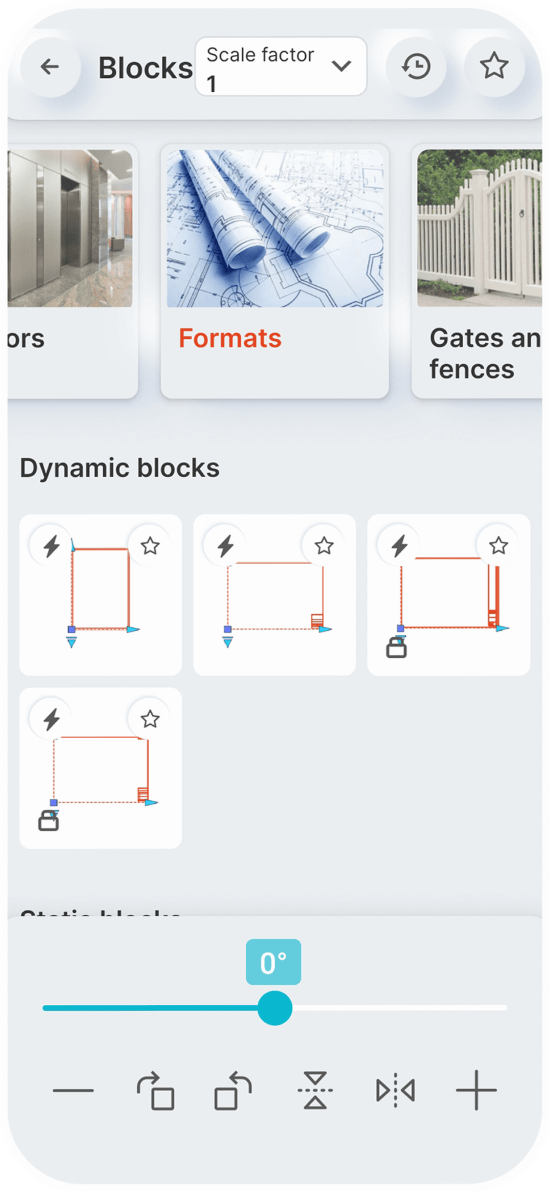
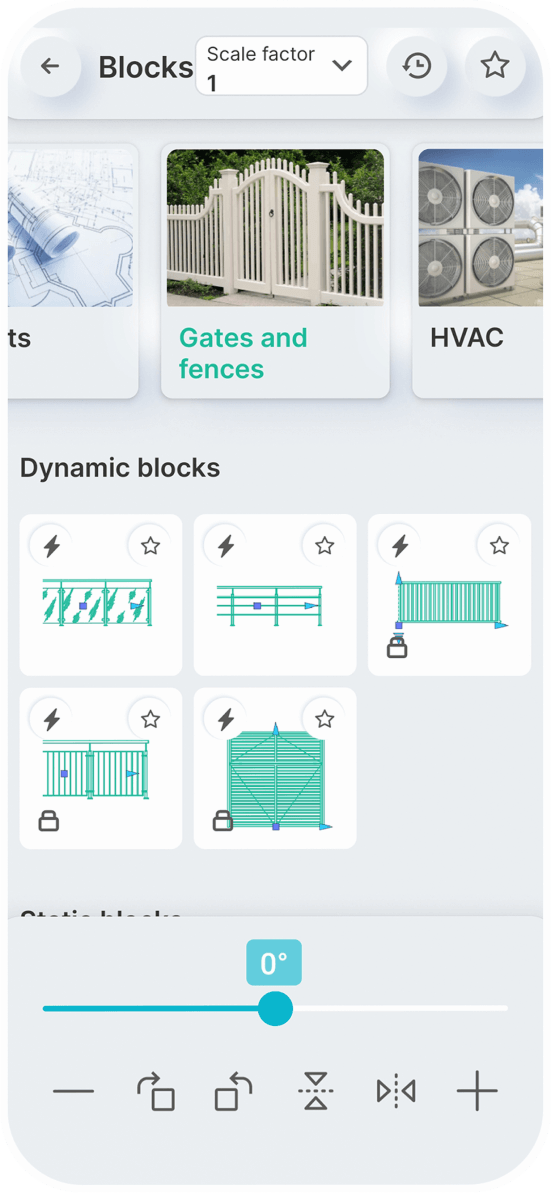
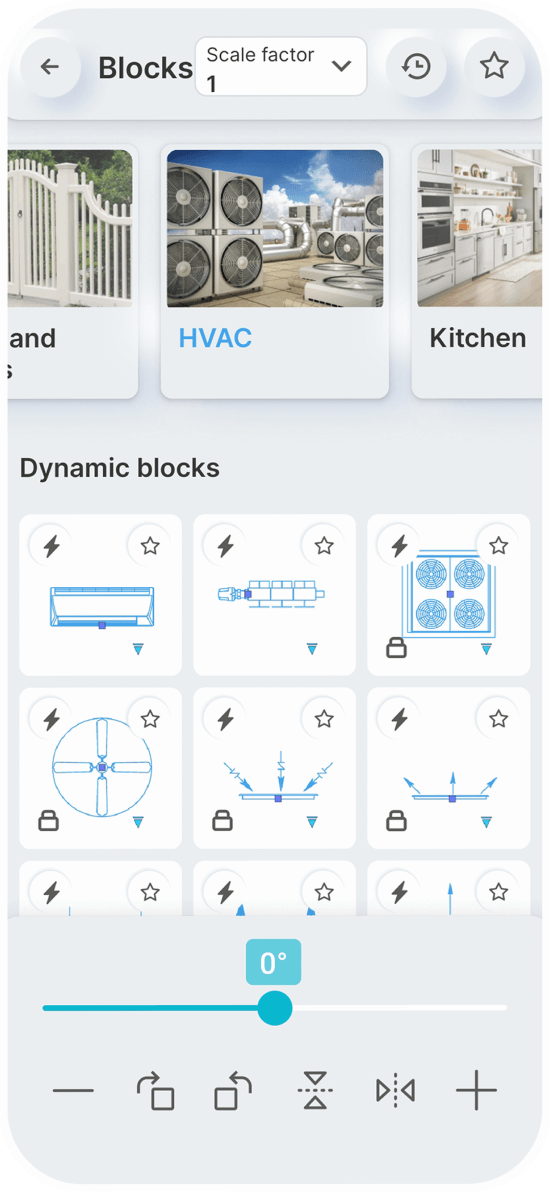
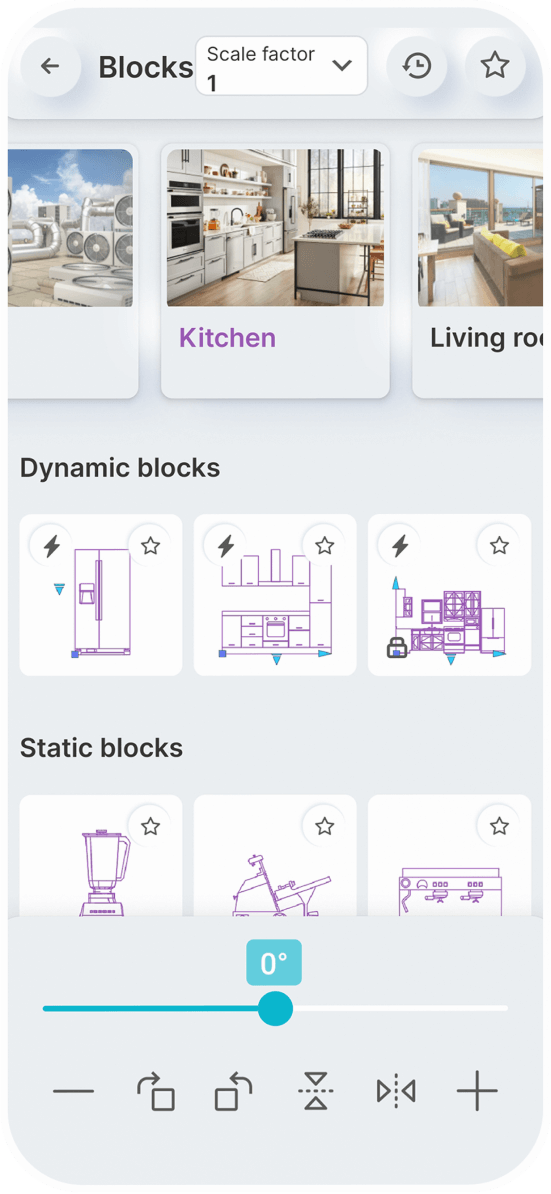
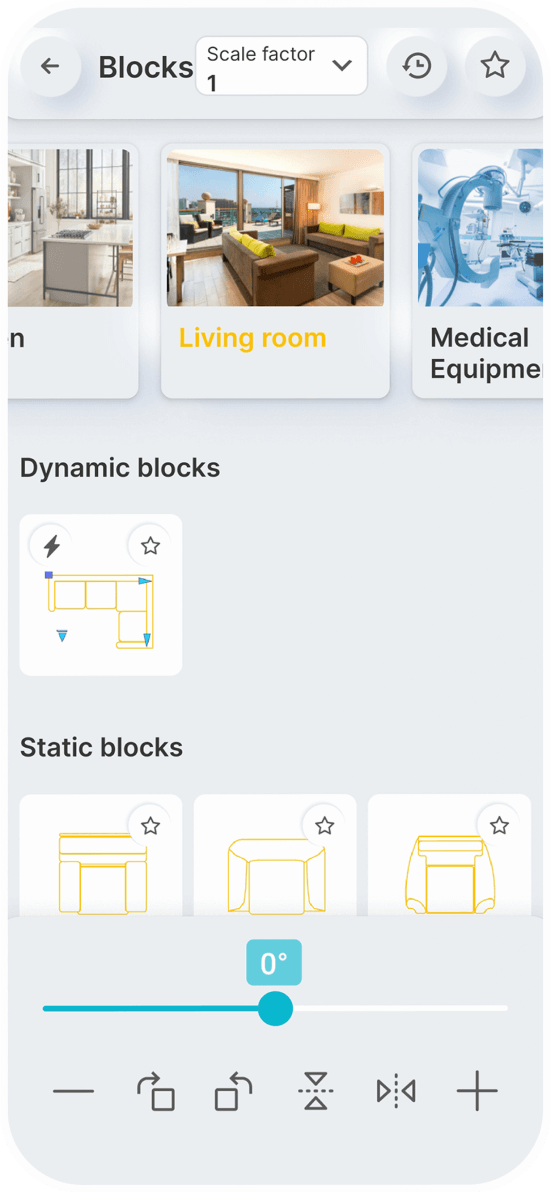
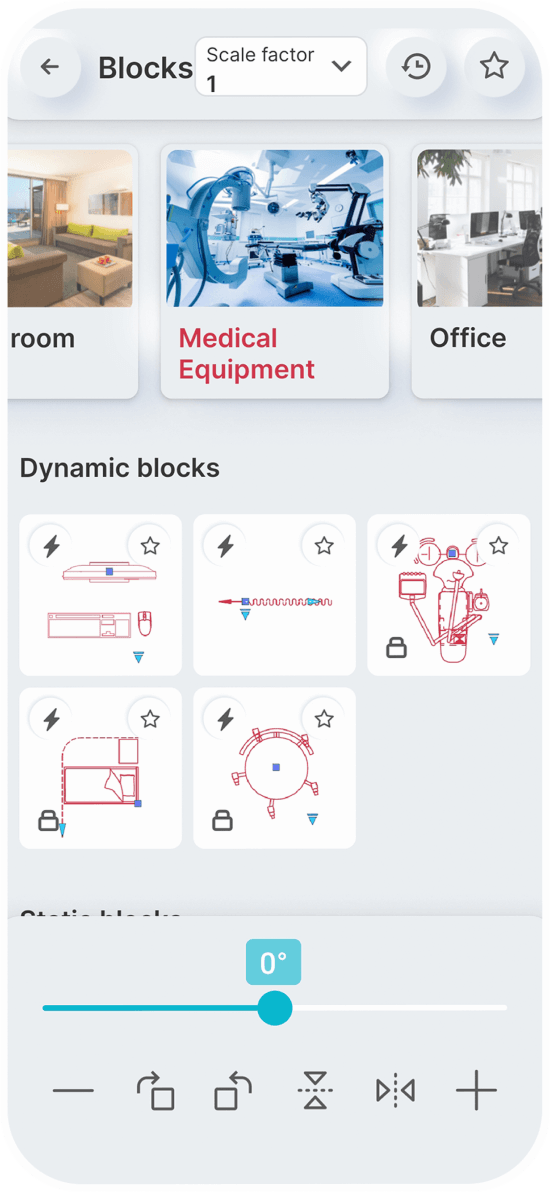
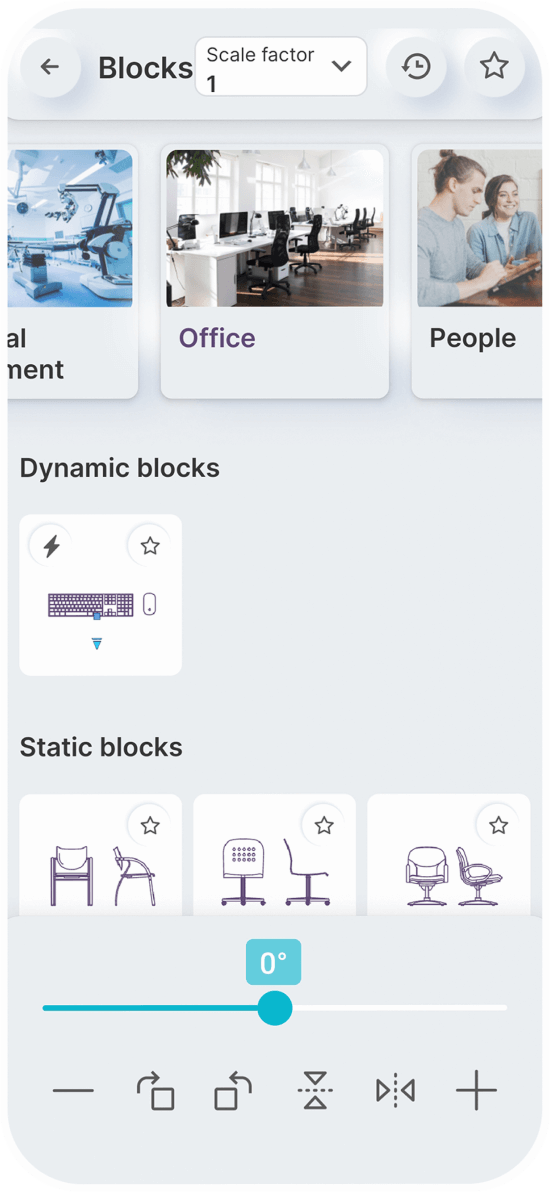
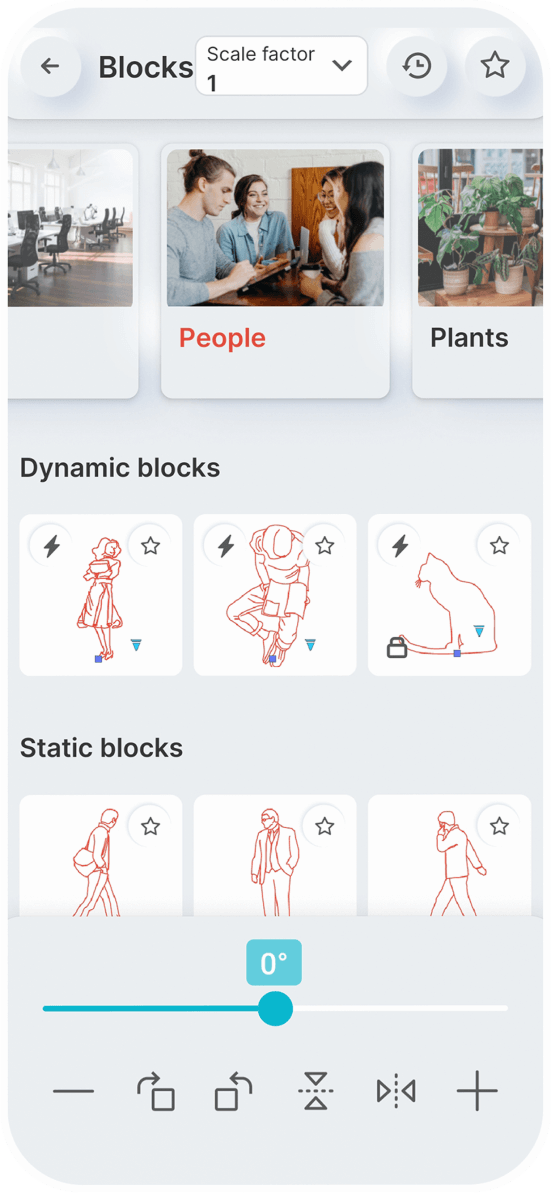
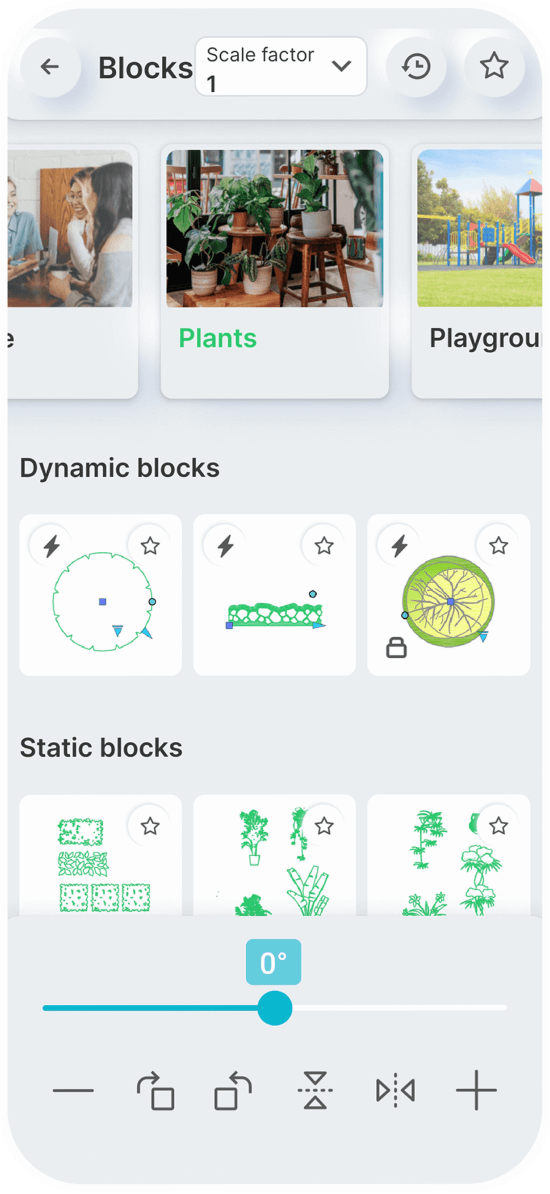
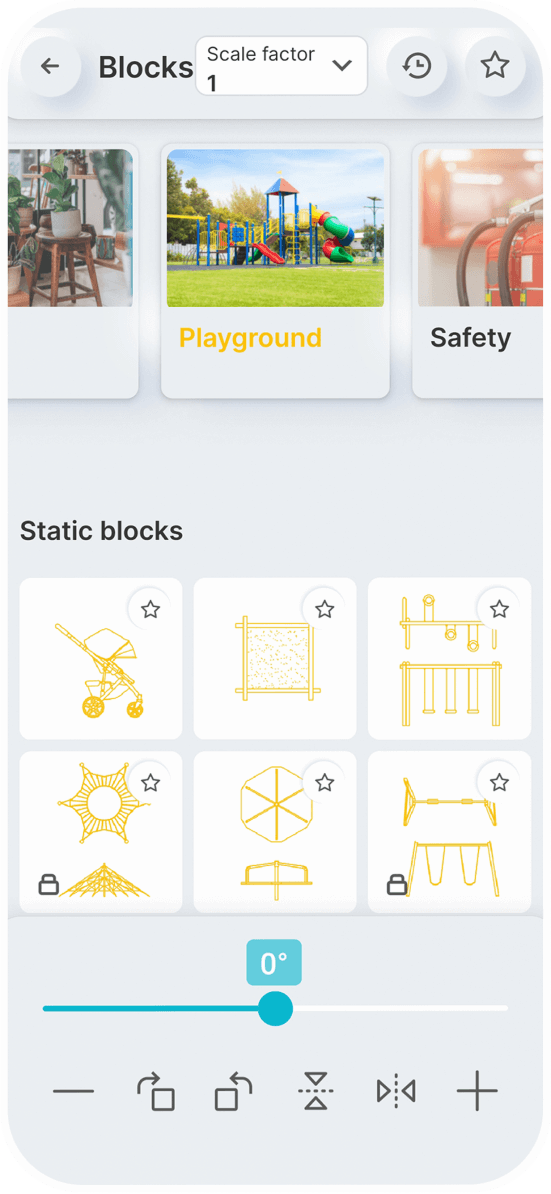
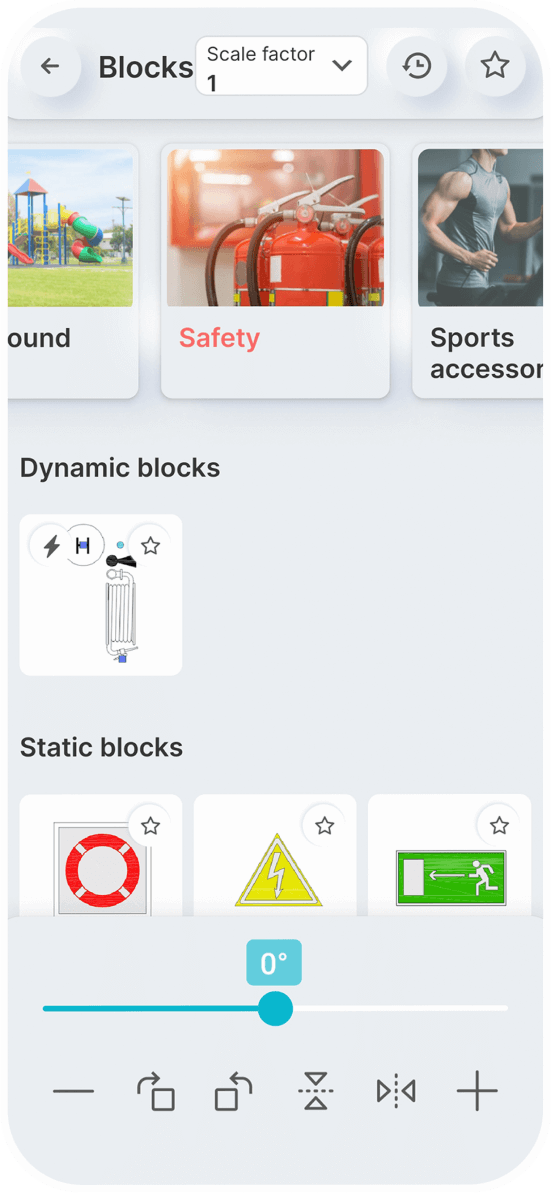
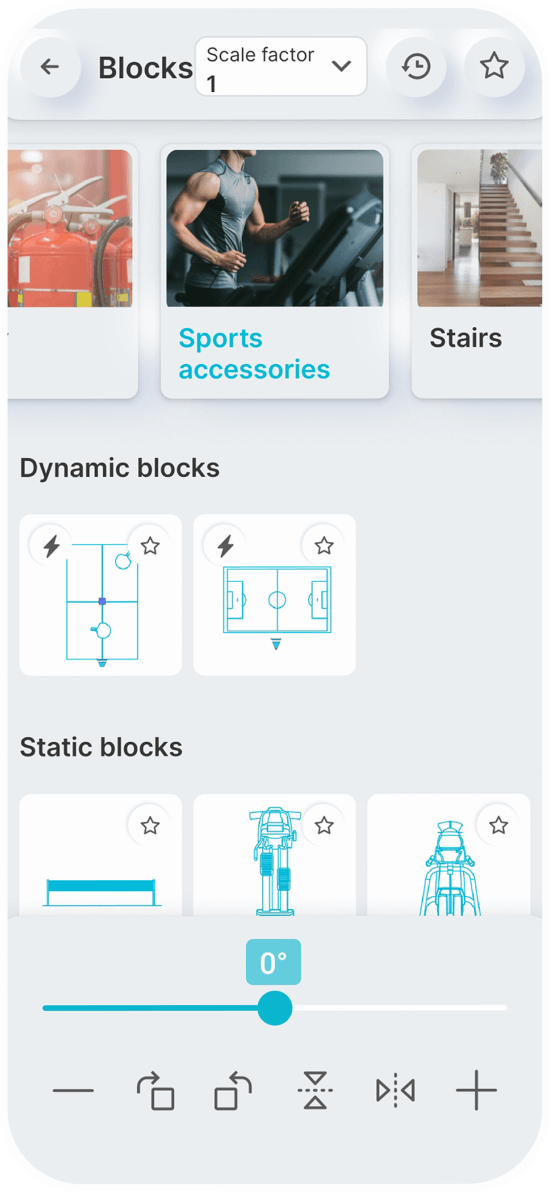
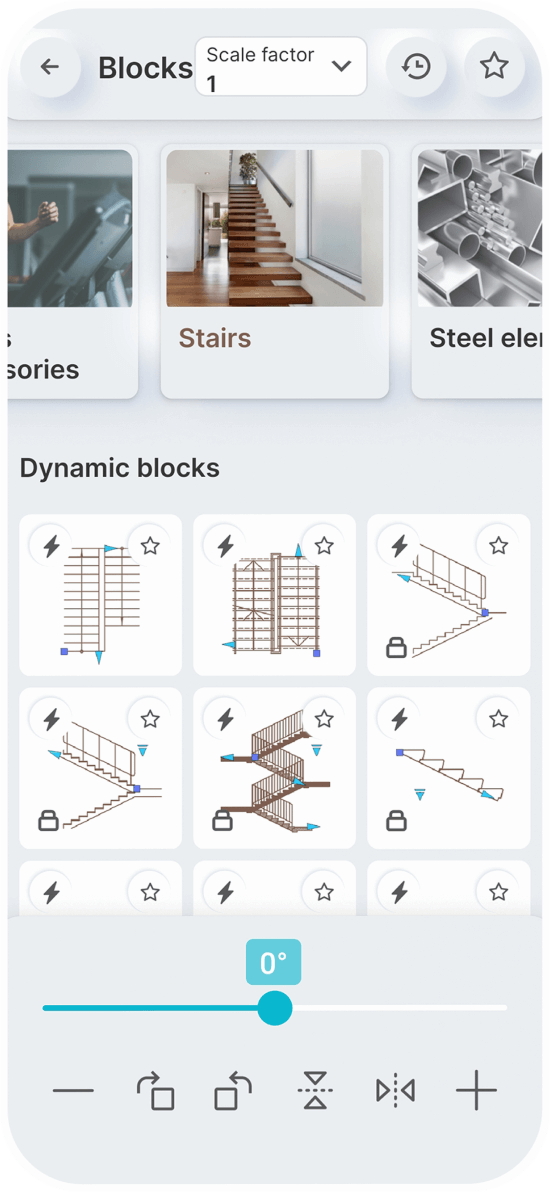
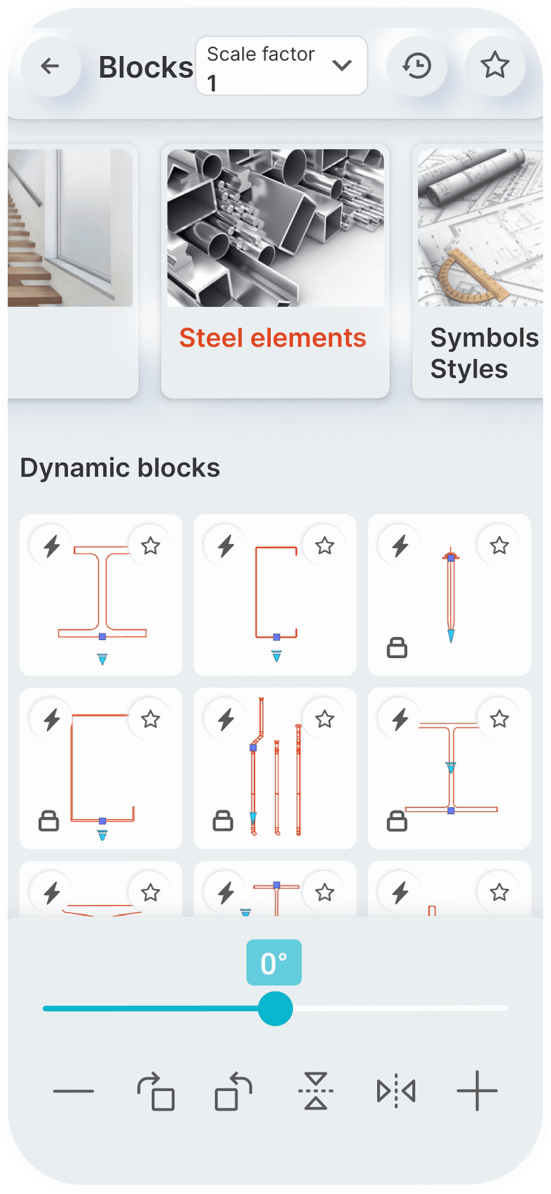
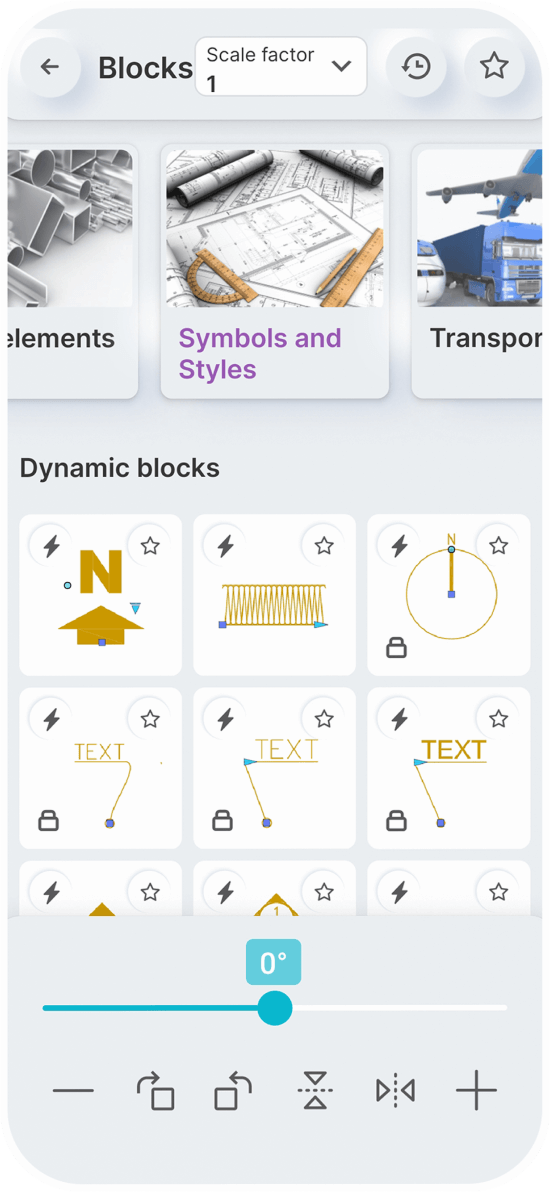
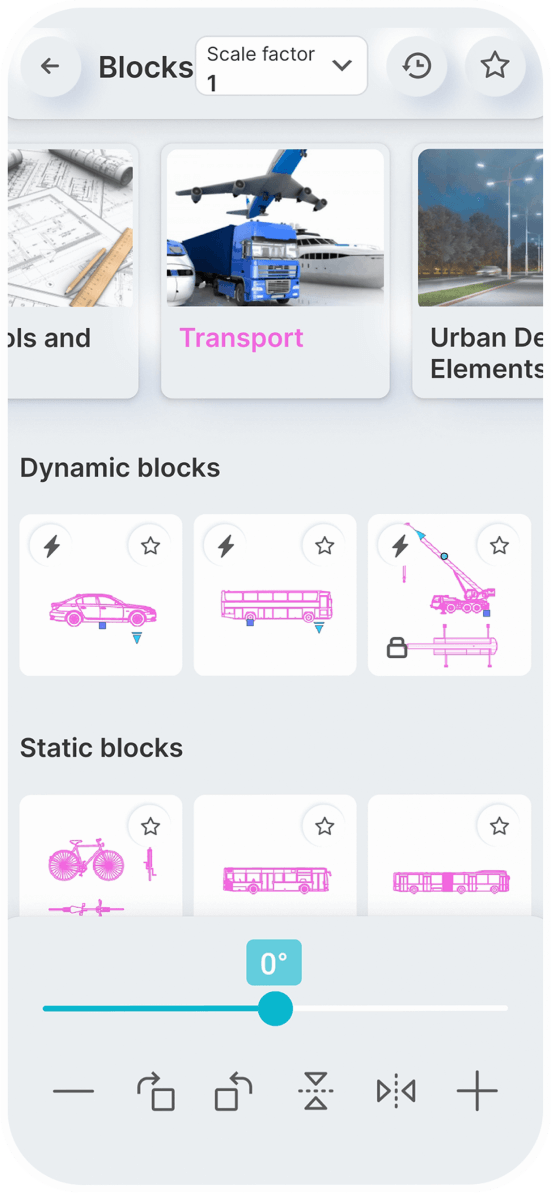
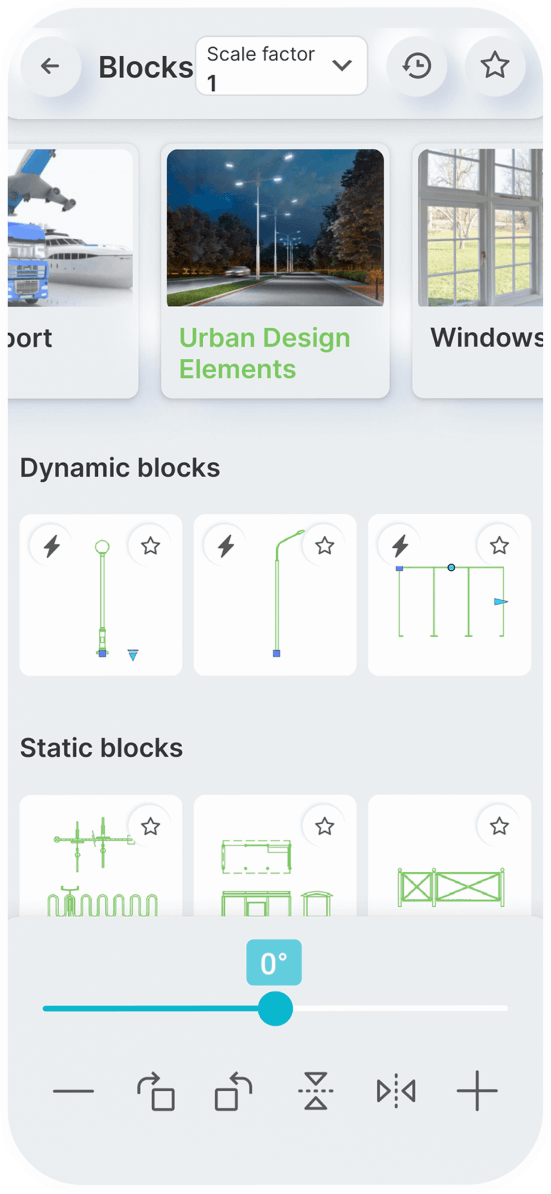
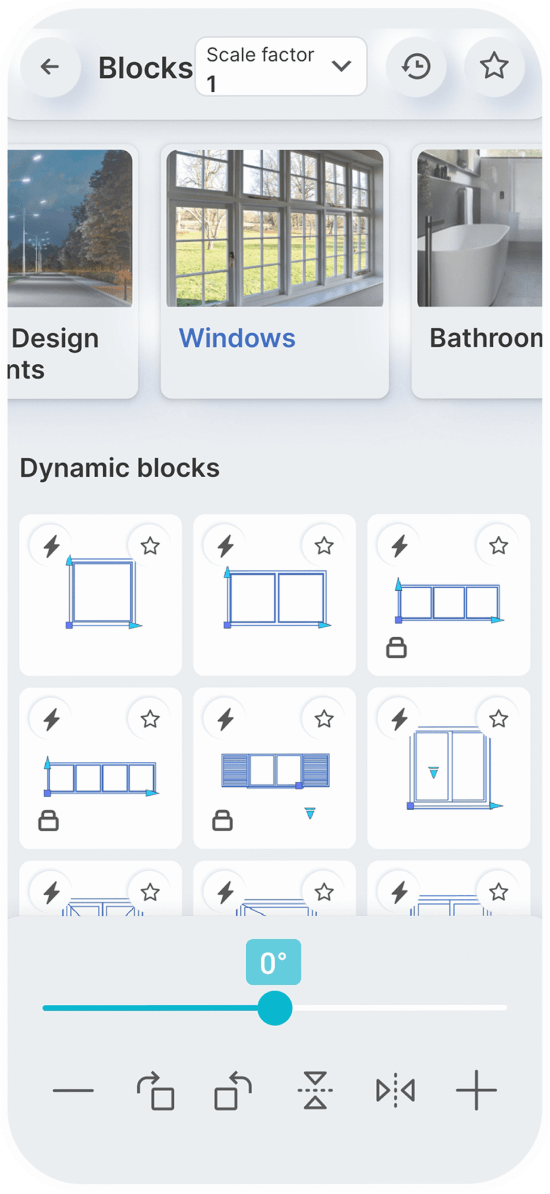
Simply speak a command to
resize or scale items.
Rapidly rotate objects or elements within the application by precisely 90 degrees.
By issuing a voice command, you can activate the mirroring effect.
You can effortlessly rotate blocks or objects within the application.
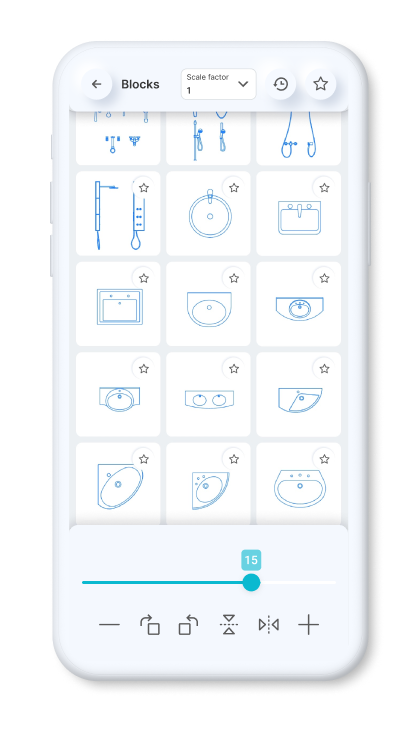
You can set a constant scale factor for your drawings to enter blocks.
Save the blocks you want most in your favorites.
Use the history page to quickly insert the last used blocks.
Standardized American
paper sizes A, B, C, D, E
Two special vertical
formats for A3 and A4
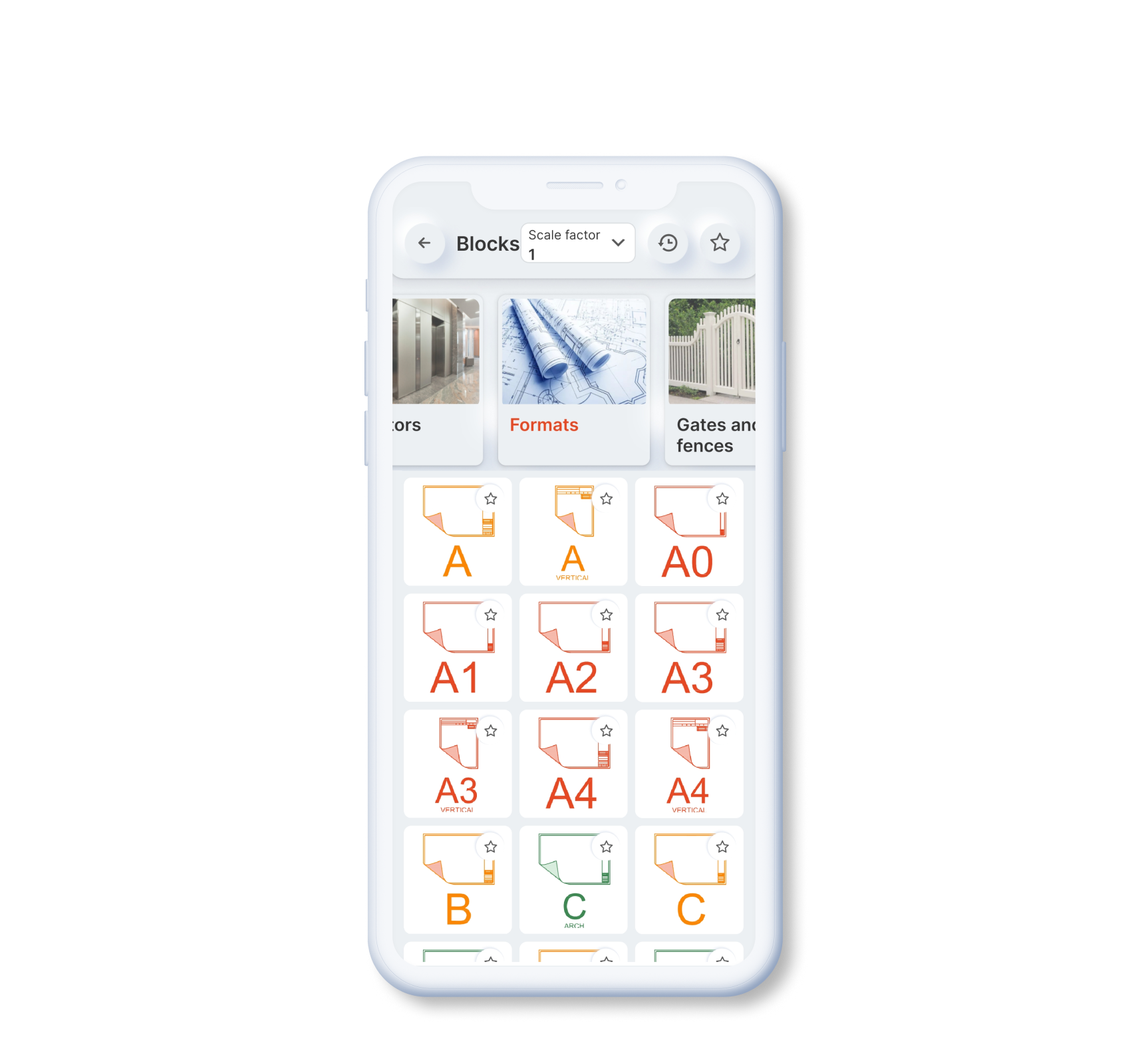
The international paper size standard is ISO 216 A4, A3, A2, A1, A0
Architectural sizes C, D, E
Fast-forward to the present day, and Carl Hubay's music and teachings remain relevant. With the resurgence of interest in classical music and period-specific performance practices, Hubay's compositions and arrangements are experiencing a revival. Modern musicians are rediscovering his works, incorporating them into their repertoire, and updating his techniques for the 21st century.
Hubay was not only an exceptional performer but also a dedicated educator. He believed that the key to mastering the violin lay in understanding its technical aspects. To this end, he developed a range of exercises and etudes that focused on finger independence, double stops, and other complex techniques. His approach to teaching and playing was considered revolutionary for its time and influenced generations of violinists. carl hubay updated
Carl Hubay's legacy continues to inspire and influence musicians today. As the classical music world evolves, his contributions to violin playing and music education remain a vital part of our shared cultural heritage. By embracing the "updated" aspect of his artistry, we can experience Hubay's music in a fresh and exciting way, ensuring that his genius continues to resonate with audiences for generations to come. Fast-forward to the present day, and Carl Hubay's
Hubay began his violin studies at a young age under the tutelage of his father, a dentist and amateur violinist. He later moved to Budapest to study at the Academy of Music, where he was taught by the likes of Joseph Böhm and Leopold Auer. After completing his studies, Hubay embarked on a successful concert career, performing throughout Europe and the United States. Hubay was not only an exceptional performer but
In recent years, musicians have begun to reimagine Hubay's music, incorporating elements of folk music, jazz, and other styles into his compositions. This fusion of old and new has introduced Hubay's music to a wider audience, showcasing the versatility and timelessness of his artistry.
Carl Hubay, the renowned Hungarian violinist and composer, is a name that may not be immediately familiar to modern music enthusiasts. However, his contributions to the world of violin playing and music education are undeniable. Born in 1857 in Pest, Hungary, Hubay went on to become one of the most celebrated violinists of his time, known for his technical mastery and expressive playing style.