1. Standard Oriya Keyboard Layout
High resolution image suitable for printing.
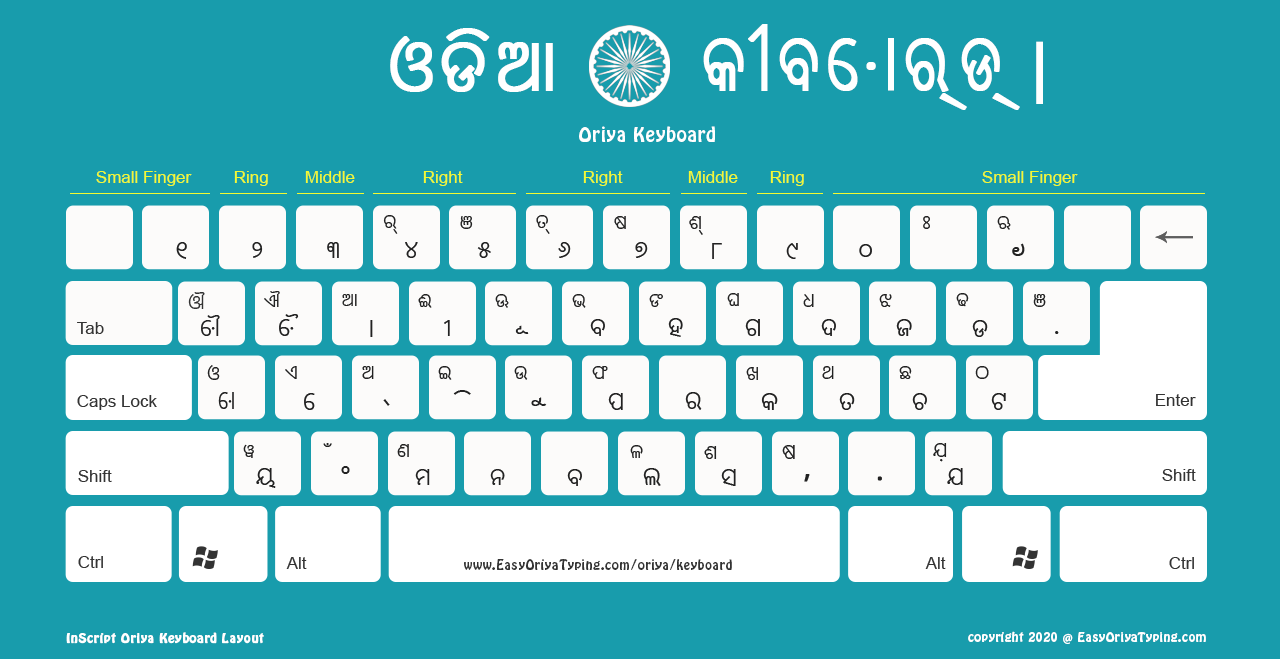
We have five different Oriya keyboard layouts for you to download on your computer. Once downloaded — you can use it as a reference to type in Oriya either on Word document or any other text editor. You also need to download the matching Oriya fonts.
High resolution image suitable for printing.
High resolution image suitable for printing.
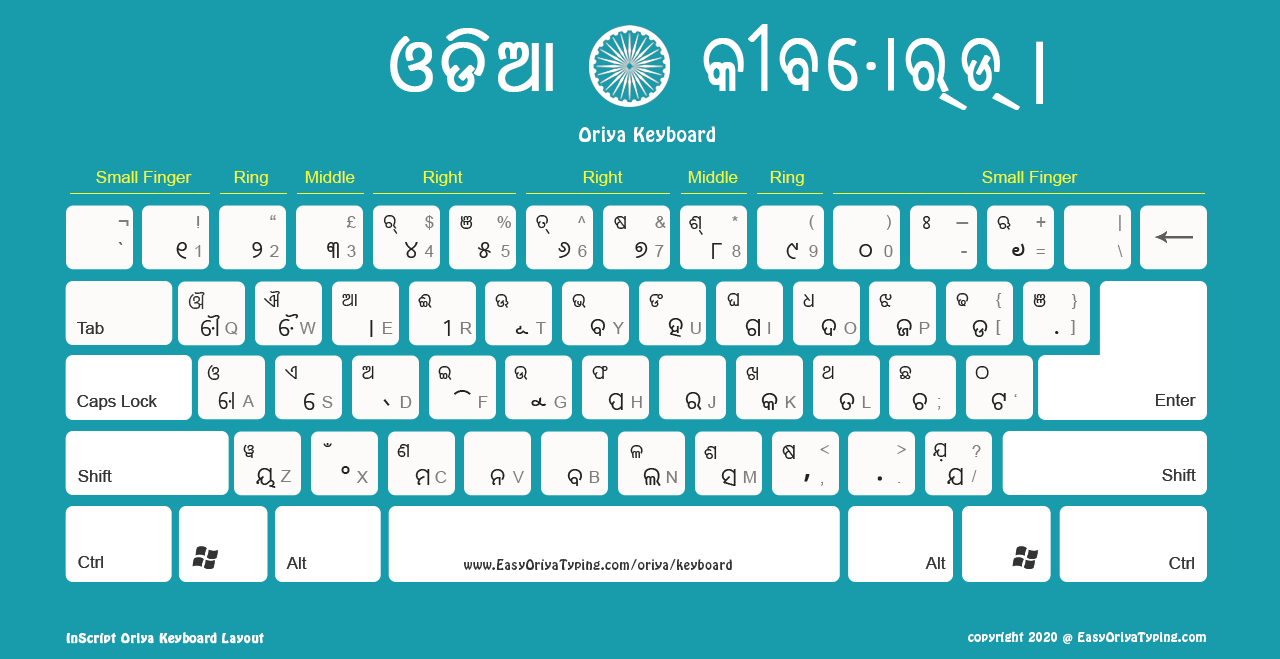
High resolution image suitable for printing.
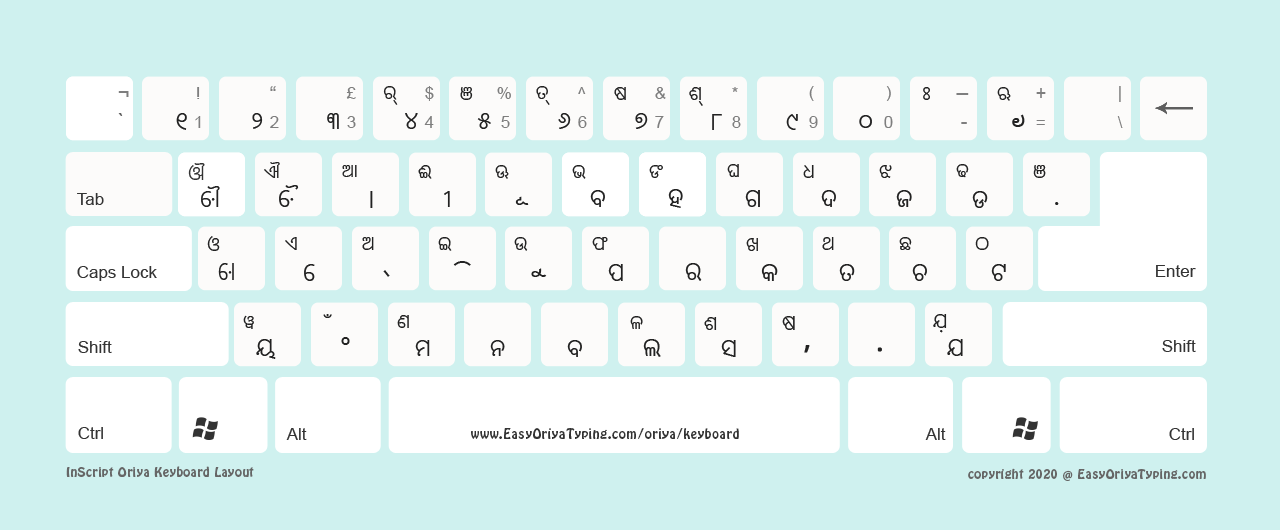
High resolution image suitable for printing.
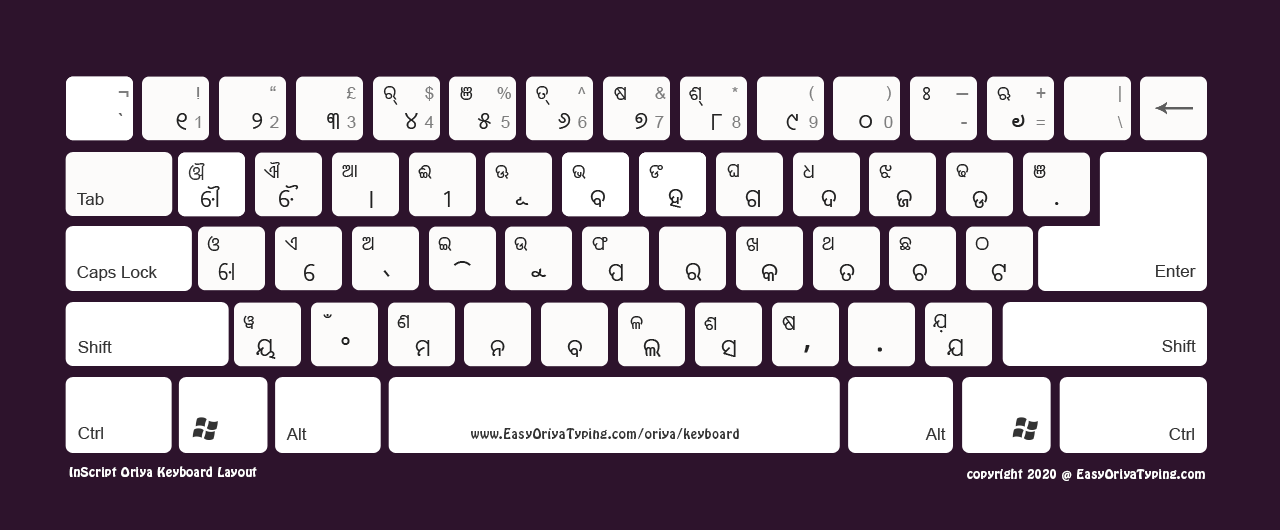
High resolution image suitable for printing.
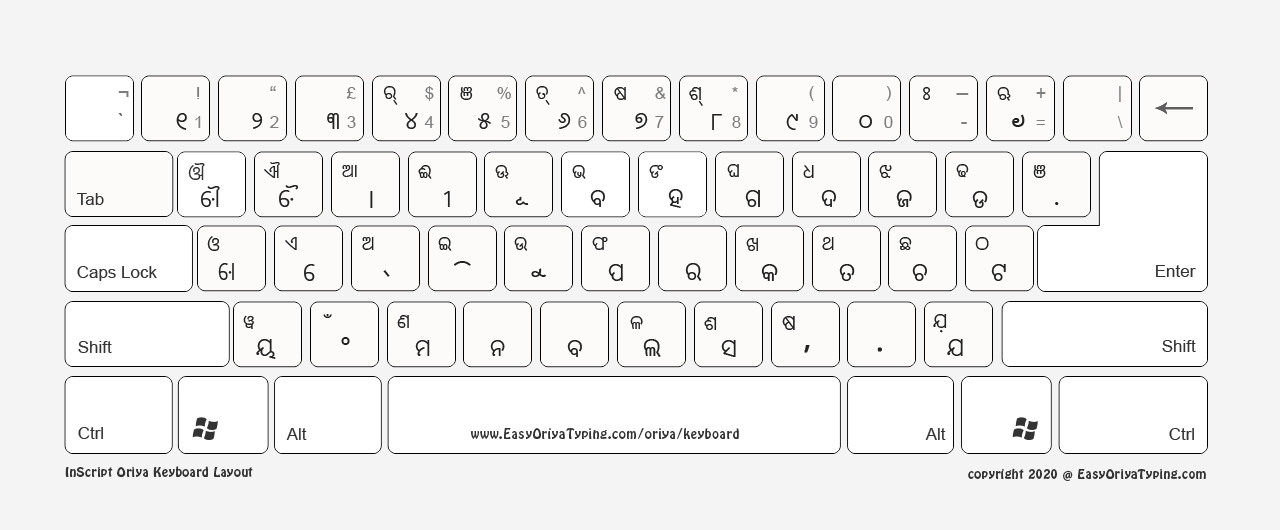
Getting started with Oriya typing is simple! Follow our step-by-step process.
Install Odia font — head over to our extensive fonts repository and install your preferred typeface.
Download your ideal keyboard image through this simple downloading process:
Browse and click on your preferred keyboard style
Right-click anywhere on the enlarged image
Choose "Save image as..." and pick your storage location
Prepare your writing space by launching your go-to text application and activating the Oriya font you installed in step one.
Begin your Oriya writing journey! Display your keyboard reference image alongside your text editor for seamless typing guidance.
Space-saving tip: Working on a compact setup? Our high-resolution keyboards deliver stunning print quality — create a physical reference that's always within reach!
Ensures traditional accuracy — each layout preserves authentic Oriya script conventions and cultural writing traditions.
Offers complete flexibility — choose from multiple styles and backgrounds to match your personal or professional preferences.
Includes unrestricted usage rights — download, print, share, and modify for any purpose without limitations or hidden costs.
Regarding the specifics of the video you're referring to, "video wanita jilbab vexirium 4 pria malay indo18 better," without more context, it's challenging to provide a detailed analysis. However, it's essential to approach media content critically, considering factors such as consent, representation, and the potential impact on viewers.
In today's digital age, the way we consume and interact with media is constantly evolving. It's more important than ever to promote respectful, informed, and nuanced discussions about media content, especially when it involves sensitive topics like religious attire and personal identity.
The title seems to be referencing a video that involves a woman wearing a hijab (jilbab) and is associated with certain keywords that might be related to the content or context of the video. Given the nature of the title, I will approach this topic with sensitivity and respect for cultural and individual differences.
The portrayal of women in media, particularly in contexts where they are wearing traditional or religious attire such as the hijab, is a topic of ongoing discussion and debate. The hijab, for many women, especially in Muslim communities, is a symbol of modesty, faith, and personal choice. However, the way women who wear the hijab are represented in media can be complex and multifaceted.
In some contexts, media representations of women in hijab can serve to empower and provide visibility to Muslim women, allowing them to express their identities and beliefs. On the other hand, there can also be instances where such portrayals might be stereotypical, objectifying, or otherwise limiting, failing to capture the full diversity and richness of the experiences of women who wear the hijab.
 Sambhu Raj Singh ·